



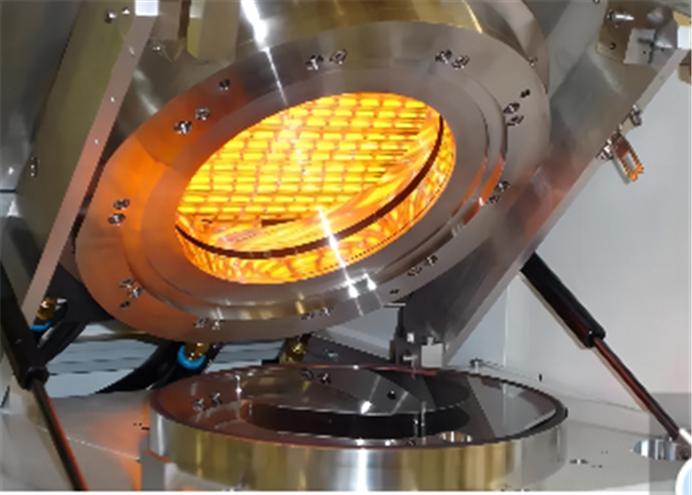
If you’re running a Class 100 cleanroom, you know the drill. One tiny speck of dust or a weird chemical cloud during a heating cycle can ruin your entire batch. It’s a nightmare. Most old-school resistive heaters just aren’t built for this—they flake, they off-gas, and they leave a mess behind. That’s why we switched to high-purity synthetic quartz IR lamps. They’re built for zero-pollution production. Period. How it actually works We use a fused quartz envelope with a ton of silica. Why? Because it stops volatile organic compounds (VOCs) and metallic dust from leaking into your air. The best part is that the heating element is completely sealed inside the tube. The heat moves via radiation, so nothing—and I mean nothing—actually touches your workpiece. No contact means no cross-contamination. It’s that simple. Talking power and heat Depending on how much space you have, we can tweak the wattage and voltage to hit your target ramp-up time. If you go with a high-wattage setup, you get intense short-wave IR. It digs deeper into the substrate, which means your heating cycles finish way faster. But a heads-up: that kind of heat puts a real strain on your chassis. You’ll want to make sure your cooling fans or water jackets are up to the task, otherwise, you might see your oven housing start to warp. The little details that matter We stick to standard connectors like R7s or Sk15. We do this to keep the electrical seal tight. Here’s the thing: loose connections lead to arcing. Arcing creates carbon deposits. And carbon deposits in a cleanroom? That’s a disaster you don’t want. We also polish the quartz to a mirror finish so particles can’t find a place to cling to the lamp. Real-world use These lamps are basically drop-in replacements. If you’re using older, dirtier elements, you can swap them out and immediately spend less time scrubbing your chamber. It’s a cleaner process and way less downtime. One last tip: if you’re running these 24/7 at max voltage, the quartz will probably cloud up a bit over time. Don’t panic—it’s normal. We usually suggest swapping them out every 5,000 hours just to keep your radiant output at its peak.