


Why those old bathroom heat lamps are finally dying out
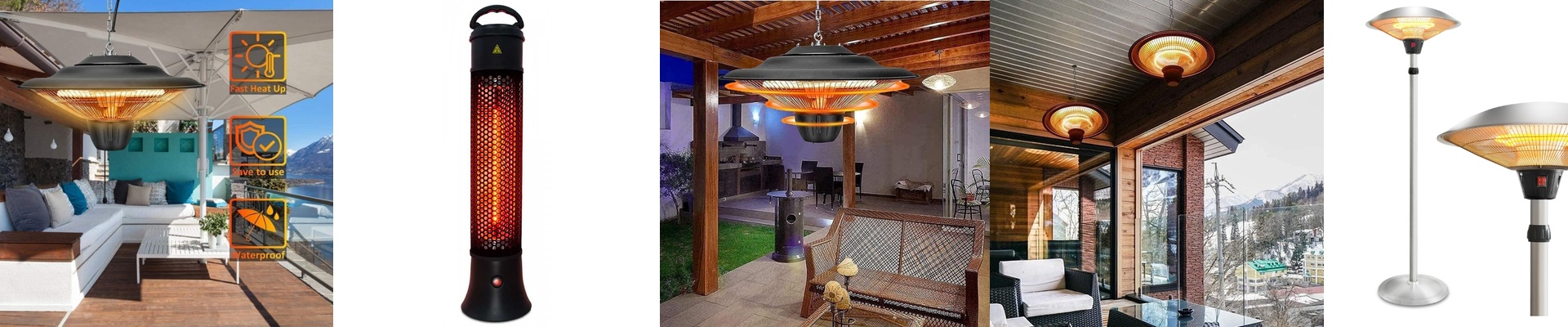
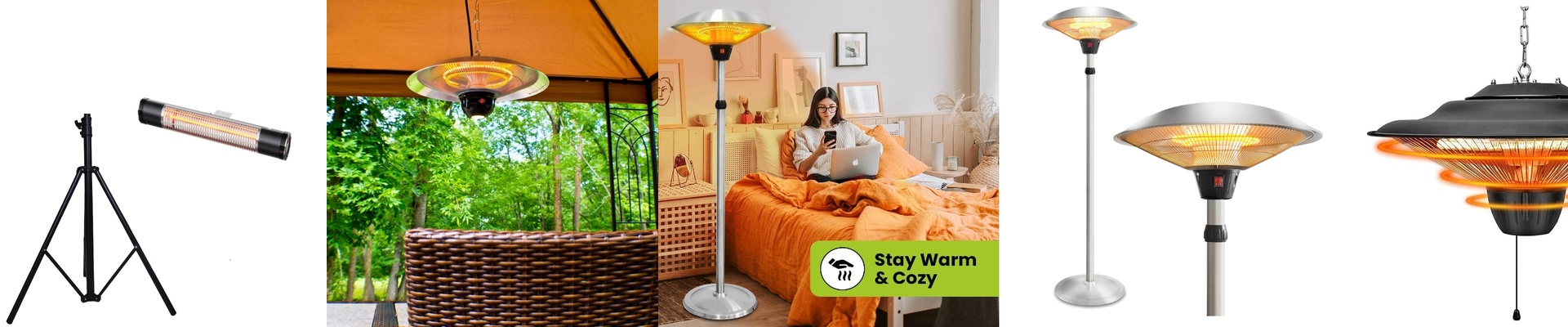
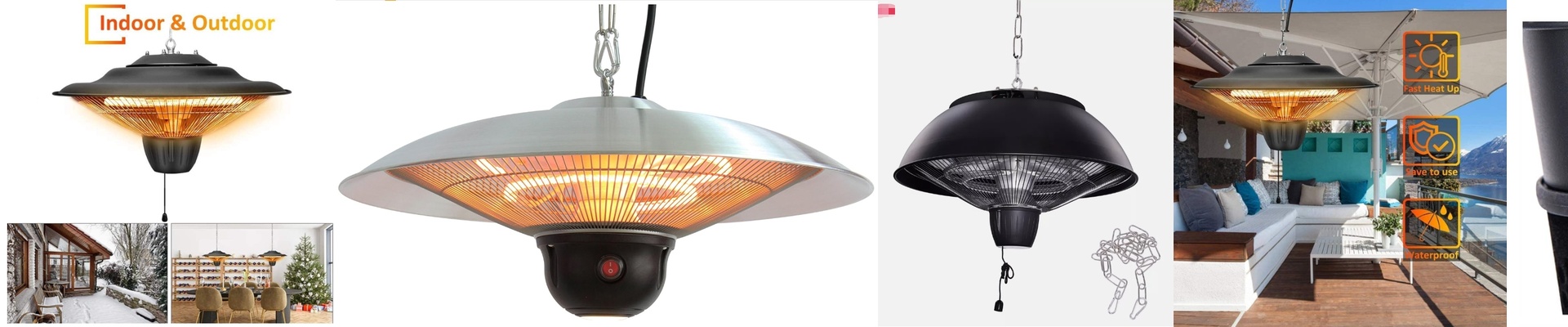
We’ve all been there. You step out of a hot shower into a freezing bathroom, flip the switch on those old-school heat lamps, and… nothing. Or maybe you feel a tiny bit of warmth on the top of your head while your toes are still icing over. The problem is that those “light-style” lamps just aren’t built for the steam. They leak. They rust. They eventually just give up. That’s why we’re seeing everyone move toward wall-mounted infrared heaters with actual waterproof ratings. The difference in how you feel the heat Most heaters try to warm up the air. But if you’ve got a drafty bathroom or high ceilings, that heat just floats away. You’re basically paying to heat the ceiling. Infrared is different. It doesn’t mess with the air; it sends out waves that hit you and the walls directly. It’s like stepping into a patch of sunlight on a cold day. You feel it the second you flip the switch. No waiting around. The “Waterproof” part (and why it actually matters) Here is the real kicker: moisture. Cheap heat lamps let steam seep into the housing. Once that happens, you get oxidized terminals or a short circuit, and the whole thing burns out. It’s a nightmare. We build our wall heaters with high IP ratings—which is just a fancy way of saying they can handle direct spray and thick steam without breaking a sweat. When you go with a high waterproof grade, you aren’t replacing the fixture every two years. A few things to keep in mind before you install Since these mount to the wall, they stay away from the ceiling where the heaviest steam collects. Less dripping, less drama. But a word of caution: these things put out some serious heat. If you mount one too close to plastic trim or certain types of wallpaper, you might actually warp your walls. You’ve got to figure out the “throw distance” based on the wattage. You want the heat hitting your skin, not melting your decor. And please, do yourself a favor:give it its own circuit. Don’t try to daisy-chain a high-wattage heater onto the same line as your dimmable vanity lights. If you do, you’ll be staring at a dark bathroom and a tripped breaker the moment the heater kicks in.