

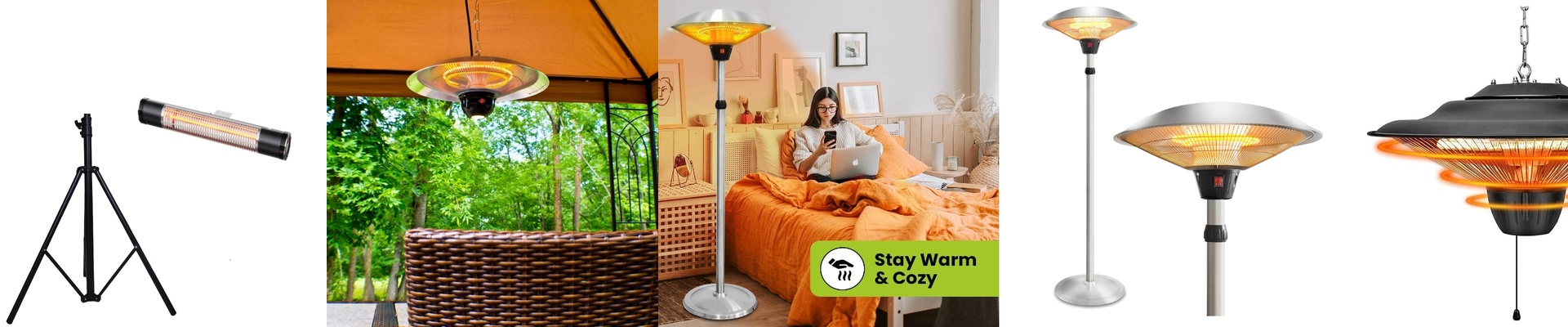
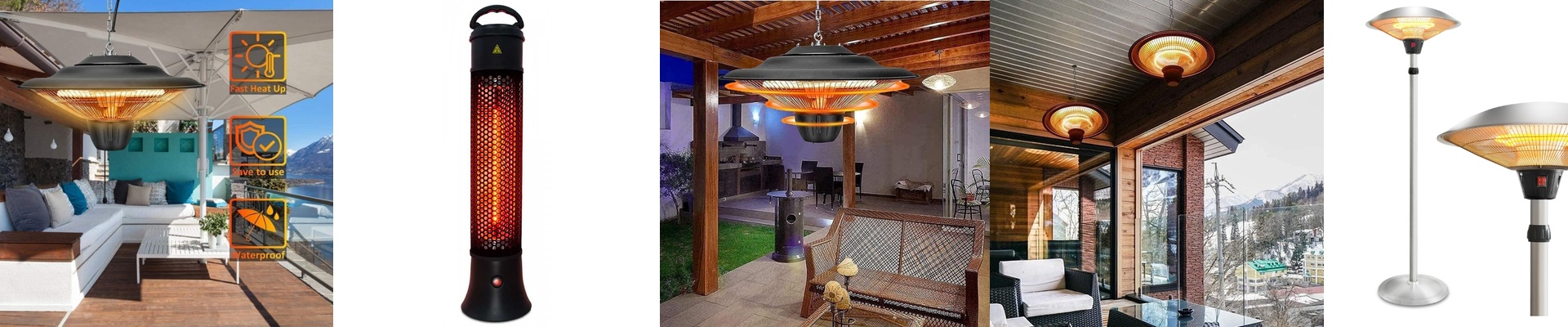


Stepping out of a hot shower onto a cold floor isn’t just uncomfortable—it’s a shock to the system that wrecks the calm of a quiet moment. That’s why we built our bathroom infrared wall heaters around a simple expectation: warmth that comes on fast, holds steady, and keeps performing in humid air. What’s actually happening inside We run a quartz tube with a high-purity filament to produce radiant heat—energy that travels outward and warms people and surfaces directly, not the air around them. That’s why the response is quick: you feel the comfort within seconds, not after waiting for the room air to catch up. Depending on the model, the unit is designed for 120V or 240V circuits, and it comes with a standard hardwired connection so the install finishes clean and stays dependable over time. Why bathrooms are a stress test Bathrooms are brutal on electronics. Steam condenses on surfaces, works its way into seams, and accelerates corrosion that can quietly eat away at performance. So we put every bathroom infrared heater through humid, high-temperature aging tests—cycling heat, moisture, and cooldown repeatedly inside a controlled chamber. This exposes weak points early, before the unit ever reaches you. In the real world, that means more consistent output, fewer temperature swings, and a heater that can handle daily steam without drifting. You get a bathroom that feels cozy on demand, and less worry about premature failure. What to keep in mind on install For the best feel, mount the heater at a height that directs warmth toward the body—typically 6–7 feet. Keep it out of direct water spray, and place it where doors won’t pull the heat away too fast. Because radiant heat warms objects and people directly, the air in the room can still feel cooler than the surfaces and your skin. If you want a more steady ambient feel, pair the wall heater with a bathroom fan that gently recirculates air, or choose a model with an integrated thermostat for more consistent comfort.