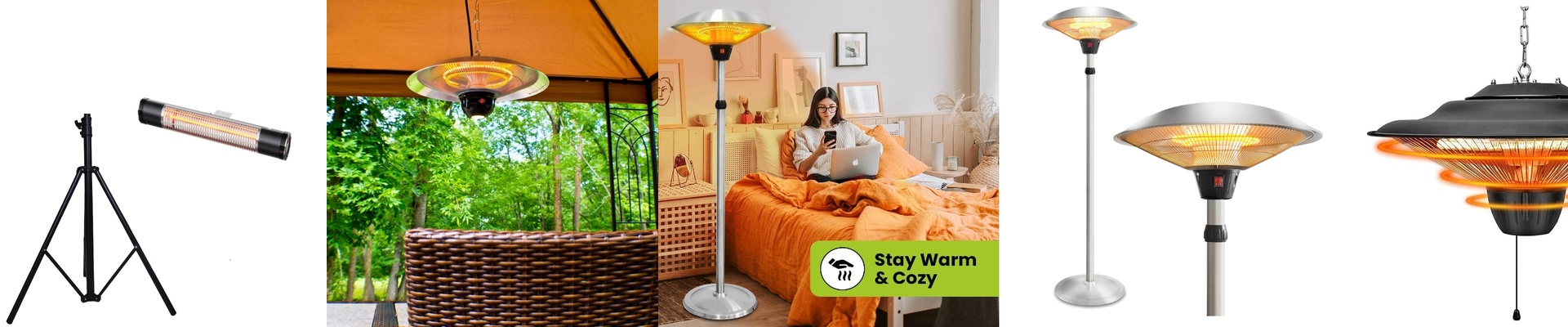

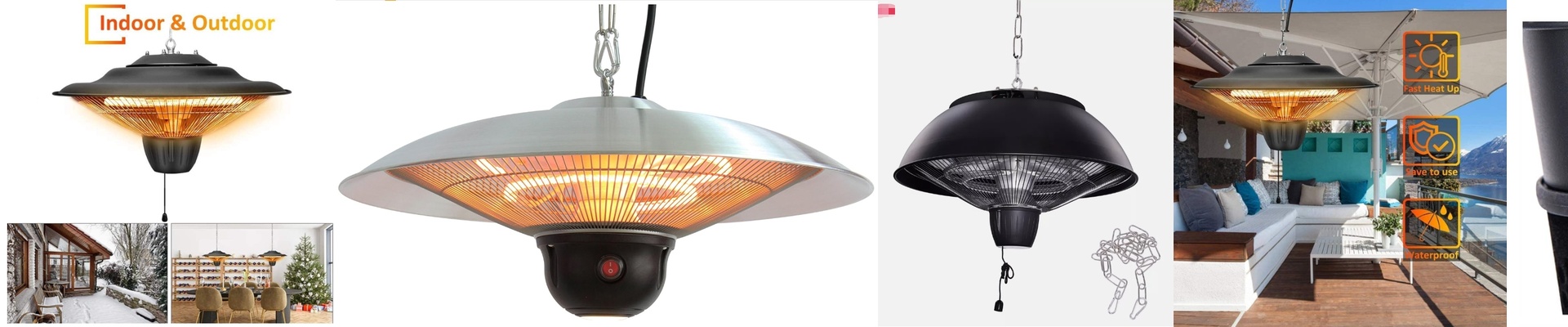
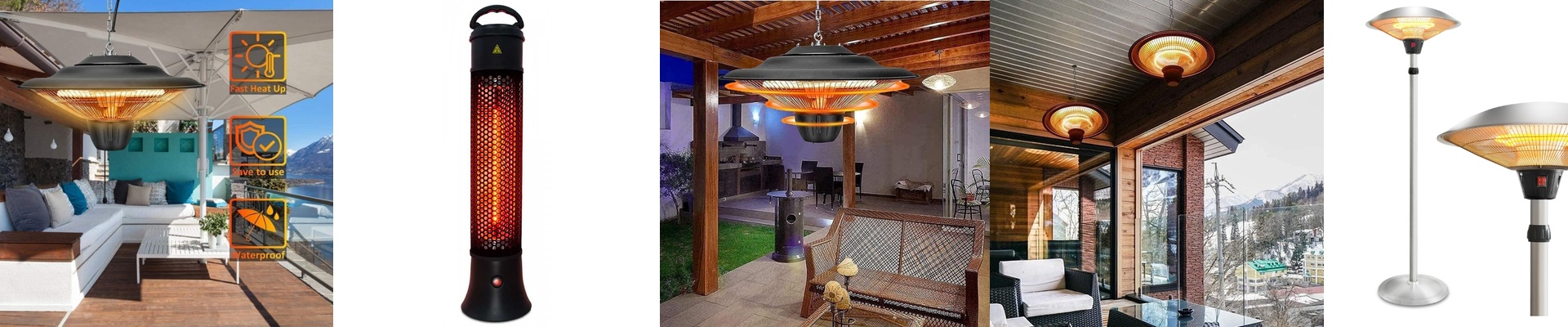


Step up to an infrared electric heater and flip the switch. Watch the element come alive. In that first second, you’re seeing more than light — you’re seeing what’s under the hood. A fast, even glow tells you the element is clean, high-purity, and the build is solid. A slow, patchy warm-up is a red flag: impurities, loose connections, or materials that just can’t carry the load.
What matters under the hood
Infrared warmth comes down to the element. Quartz tubes heat fast because the filament sits in a stable, low-oxygen environment. Carbon fiber elements lay down a broad, steady radiant field and tend to run quieter. Short-wave heaters hit full output in seconds — perfect for spot heating. Medium-wave units spread comfort more evenly across a larger area. For smart electric heaters, look for a thermostat that holds steady, tip-over protection, and an IP rating that matches the space. IP34 is the baseline for covered patios. Step up to IP55 or higher for open exposure. Specs translate into comfort you can feel and costs you can plan.
Why this works where you need it
When you need warmth now, startup speed says it all. A responsive heater means less waiting, fewer drafts, and a more consistent feel from minute one. In practice, that means better circulation on cool mornings, relaxed muscles after a long day, and an outdoor room that actually gets used. Clean internal materials also keep the core running cooler, wasting less energy and stretching lifespan. You end up with more usable warmth per kilowatt-hour, and fewer surprises when the bill comes.
The practical stuff
Placement matters. Mount the heater 6–8 feet above the floor and keep it clear of furniture for even coverage. Pair it with a grounded outlet and a smart plug that can handle the wattage — most patio units pull 1,200–1,500 watts. If you’re in a damp climate, go with an IP55-rated model for the frame and electronics. One trade-off: infrared heats people and surfaces directly, so the air a few feet away feels cooler. On open patios, run a directional heater with a gentle ceiling fan to keep warmth circulating.