


Why Your Bathroom Heater Keeps Dying (And How to Fix It)
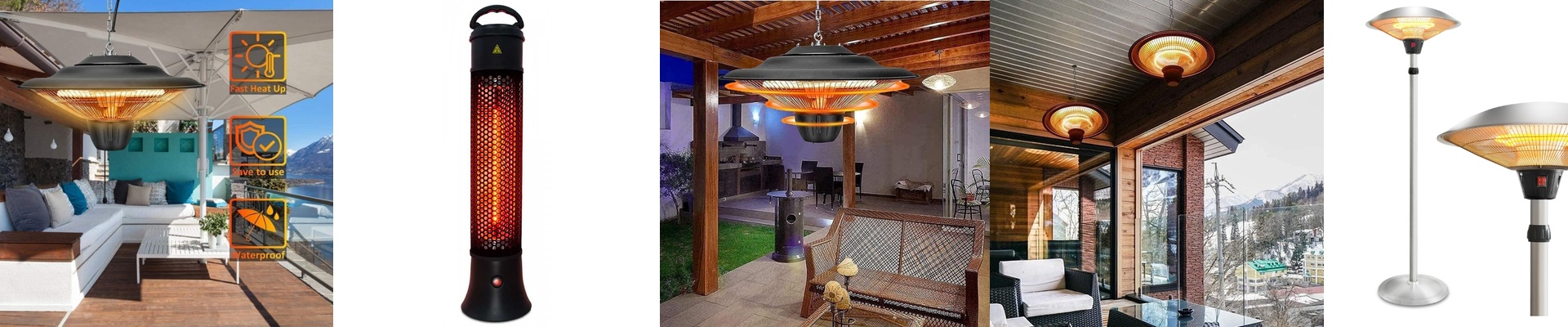
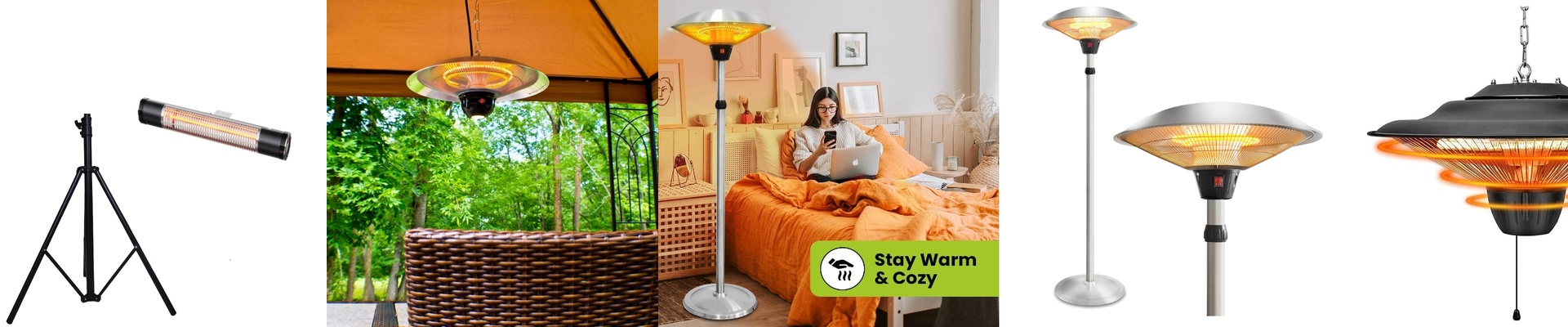
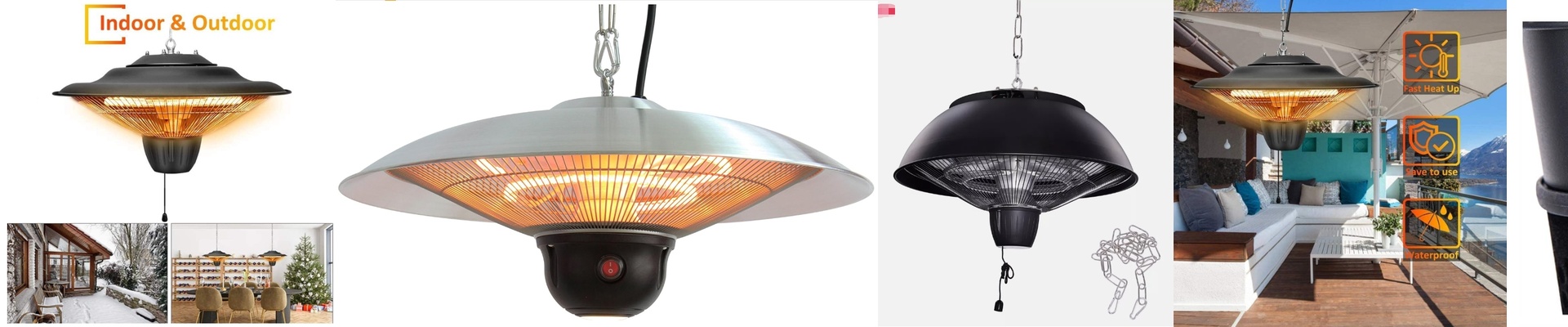
You know those old-school bathroom heat lamps? The ones with the basic bulbs? Most of them are a nightmare. They aren’t sealed properly, so the second you start a steamy shower, moisture creeps in. Before you know it, the internals corrode, the bulb pops, and you’re standing in a freezing room. That’s why we’ve moved toward high-IP waterproof infrared heaters. They actually handle the humidity of a real bathroom without giving up the ghost. Heat you can actually feel Here’s the thing about most heaters: they try to warm up the air. But in a bathroom, that warm air just vanishes the moment you crack the door. Infrared is different. Instead of fighting the air, it sends out waves that hit your skin and the walls directly. It’s an instant hit of warmth. To make sure this doesn’t become a safety hazard, we build these with IPX4 ratings (or higher). Basically, it means a few splashes of water won’t fry the circuitry. Fighting the steam Water and electricity are a terrible mix. To keep things safe in a shower zone, we use sealed quartz tubes and housings that don’t rust. It stops steam from condensing on the electrical contacts. If you go cheap and pick a heater with a low IP rating, the moisture will eat through the wiring in a couple of seasons. High-grade units use specialized seals that keep the guts dry while letting the heat pour out. A quick heads-up on installation These things put out a lot of targeted heat. The upside? You can keep the rest of the room cooler while you stay toasted. But you’ve got to get the wiring right. High-wattage infrared elements pull a lot of power. If your bathroom’s electrical circuit isn’t rated for that load, you’re going to be tripping breakers all morning. Check your breaker specs against the heater’s peak draw. If the wiring is too thin, the lamp will just overload the line. Simple as that.