

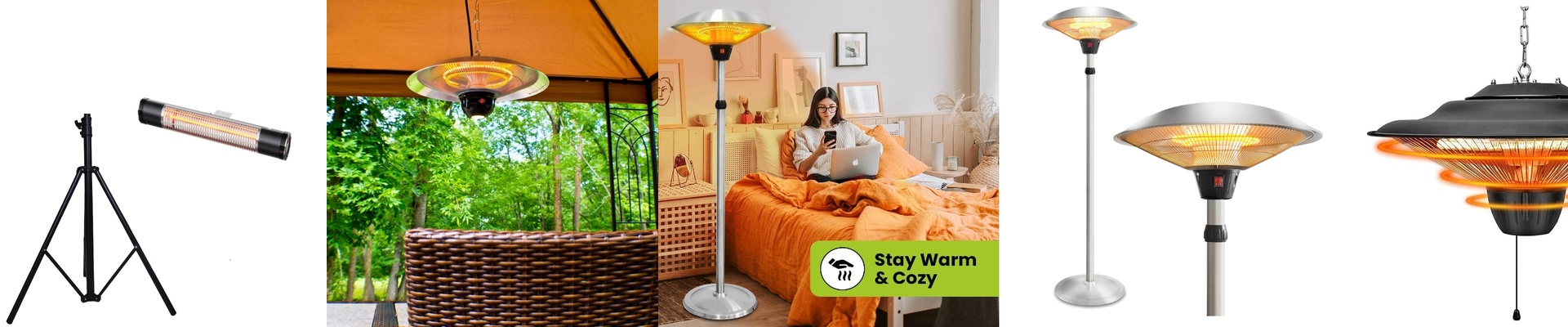
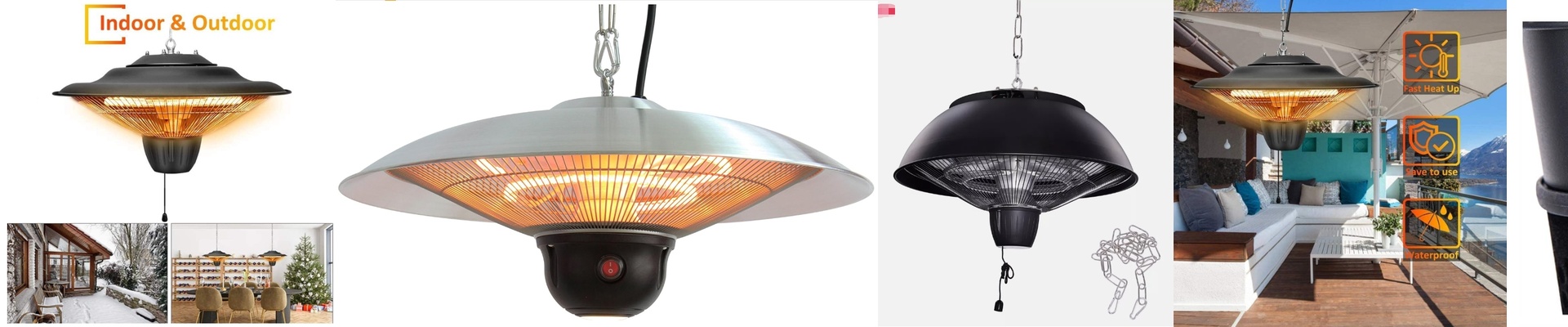
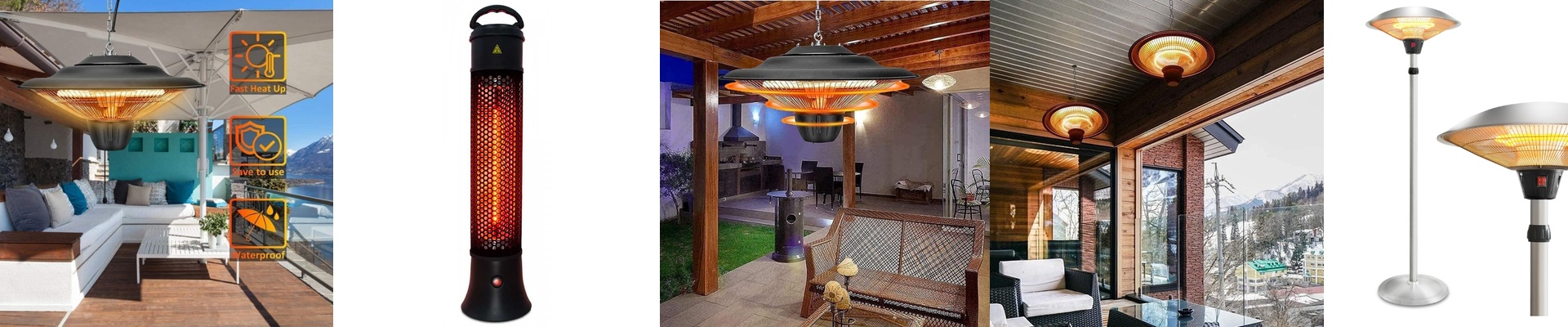

Picking the Right IR Heater for Your Bathroom
When you’re shopping for an IP65 infrared heater, your first instinct might be to just grab the one with the highest wattage. But here’s the thing: more power isn’t always better. If you go too big, you’re basically turning your bathroom into a sauna and wasting a ton of electricity. Go too small? You’ll be standing there shivering, wondering why it’s still freezing. It’s all about finding that sweet spot for the size of your room.
Getting the Power Right
Infrared is different from your standard heater. It doesn’t just warm up the air; it beams heat directly onto you. It feels like stepping into a patch of sunlight on a cold day. For those tiny bathrooms—you know, the ones under 4m²—a 250W to 400W lamp is usually plenty. It keeps you warm without risking a tripped breaker, which is a lifesaver if you’re dealing with older wiring. If your bathroom is a bit more spacious (between 4m² and 8m²), you’ll probably want to jump up to 600W or 800W. But keep an eye on your ceilings. If they’re higher than 2.5 meters, the heat has a longer trip to make before it hits you. In those cases, I’d suggest bumping up the wattage just to make sure you actually feel the warmth. And for those massive, luxury baths? You’re better off with a few 800W units spread out so there aren’t any cold spots.
The Reality of Water and Wires
We all know water and electricity are a terrible mix. That’s why we stick with IP65-rated housings. They’re sealed tight against dust and can handle a few splashes or low-pressure jets without breaking a sweat. It keeps the moisture away from the terminals and keeps everything safe. One quick heads-up: high-wattage lamps get hot at the socket. If you cram a 1000W lamp into a tiny, tight fixture with no airflow, that heat can actually eat away at the wiring insulation over time. Just make sure your fixture is built to handle the heat the lamp is putting out.
Balancing Heat and Cost
The trade-off is simple: higher wattage means you stop shivering faster. But it also puts a bigger strain on your electrical circuit. If you’re installing these for a business, I highly recommend using a thermostat or a timed relay. That way, the lamps don’t just blast away at full power once the room hits a comfortable 24°C. It saves money and keeps the room from getting stuffy.