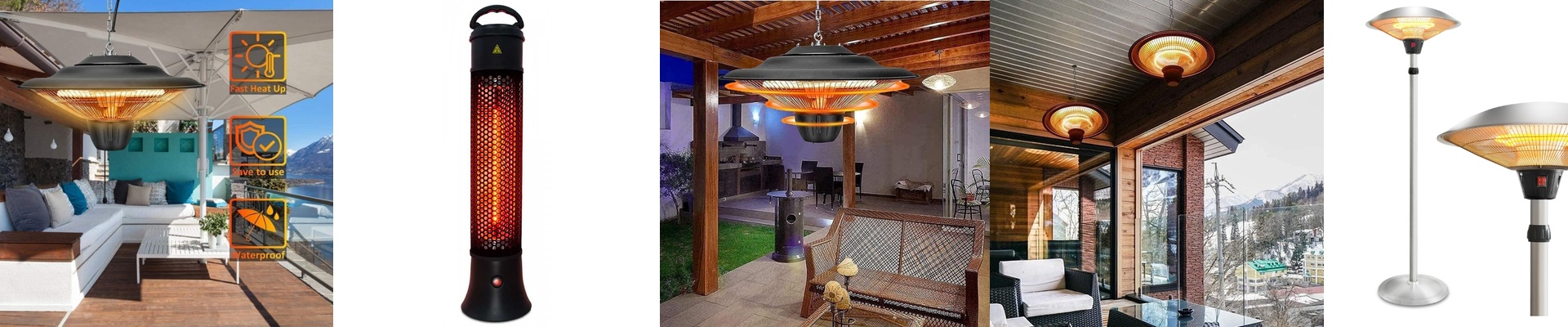

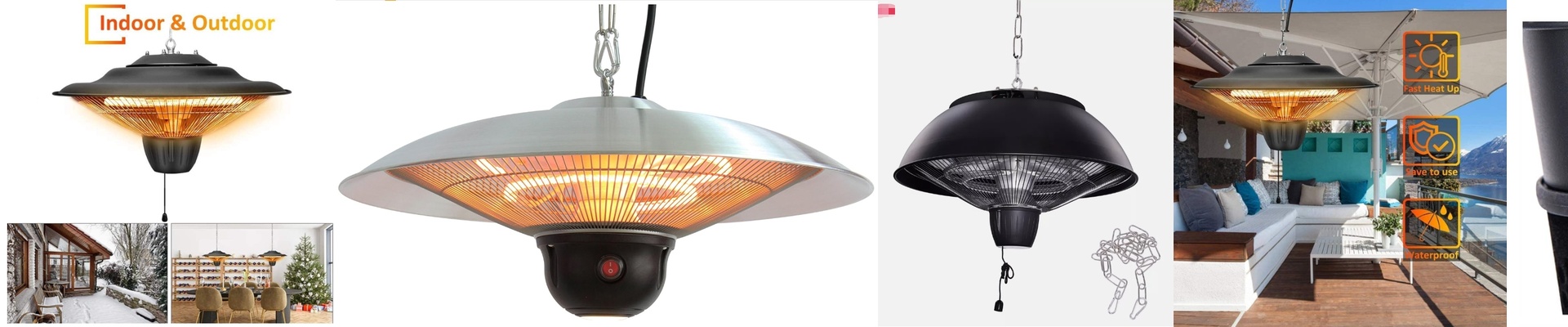
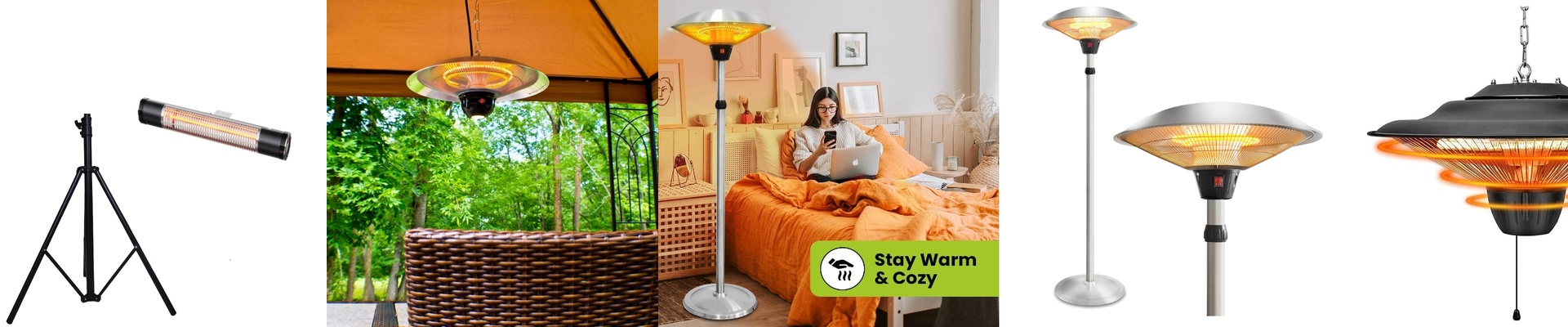


Let’s talk about our best-selling infrared heater. It’s the one built for the places that wreck ordinary gear—wet, humid, and just plain punishing. You’re probably wondering how we keep the element burning steady and the housing from falling apart. It comes down to smart, practical engineering. We wrapped the whole thing in IP55-rated waterproofing and built the inside to resist fog and splashes. Power and protection, without the drama This heater is built to work hard—think industrial-duty cycles, day after day. That IP55 rating isn’t just a sticker. It means the unit can take low-pressure jets of water from any direction. That seal keeps water out, so you don’t get short circuits or corrosion eating away at the terminals. Inside, we keep the heat source well away from the electrical contacts. So even when moisture is in the air, it can’t ride along hot surfaces and reach the wiring. Built to beat the environment We chose a quartz envelope and a halogen heating element because they handle sudden temperature swings and rapid on/off cycles better than standard coils. The inside layout is shaped to fight fogging. We minimize the air pockets that cause condensation and manage the airflow so the reflector and element stay dry. The front cover has a splash deflector, too. If something splashes in, it doesn’t hit the hot element or reflector head-on. That prevents thermal shock and stops premature failure. Reliability where it matters In factories and workshops, humidity, washdowns, and coolant mist never take a day off. Our design keeps the heater humming while standard units would give up. Fewer surprise shutdowns. A longer life. There is one thing to keep in mind: the sealed build holds heat in. So make sure the mounting area has enough clearance and ventilation to keep the housing from getting too hot. For engineers, it’s a straightforward swap—one that trades maintenance hours for more uptime. And honestly, that’s the kind of trade you’ll feel every day.