


Keeping Things Stable When Your Shop is a Tinderbox
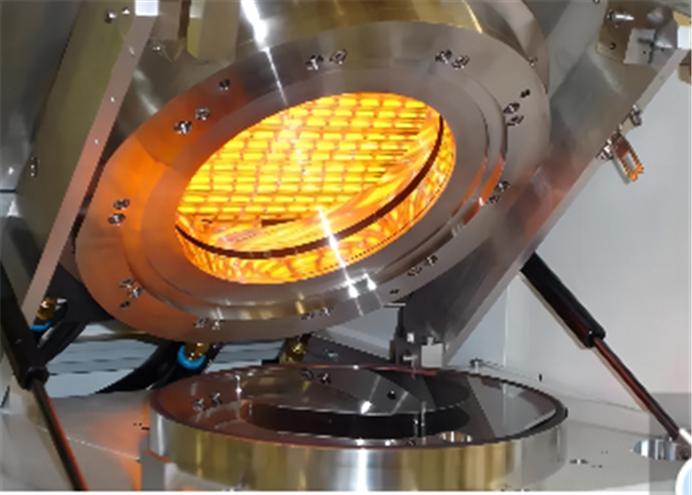
Let’s be honest: running infrared heaters around chemical cleaning lines is nerve-wracking. You’ve got flammable solvents and explosive vapors floating around. In that kind of environment, a standard heating bulb isn’t just a part—it’s a liability. We handle this by pairing gold reflectors with heavy-duty encapsulation. It’s the only way to make sure your lamps don’t accidentally start a fire. Why we insist on gold Most people use aluminum reflectors. They’re cheap, but they corrode and lose their punch the second they hit harsh chemical fumes. We go with gold-coated reflectors instead. Gold is just better at bouncing infrared heat. It pushes the warmth exactly where it needs to go—onto the workpiece—rather than letting it soak into the housing. This keeps the outside of the machine cool. When the chassis stays cool, you don’t have to worry about hitting the flash point of the vapors lingering in the air. Sealing it all in To keep sparks from meeting the atmosphere, we tuck the heating element inside a reinforced quartz envelope. Then, we wrap the whole thing in a chemical-resistant enclosure. Think of it as a fortress. It puts a physical wall between your electrical guts and the explosive air around them. If a seal fails, those vapors hit a hot surface and—boom. Our encapsulation stops that leak from ever happening. A few things to watch out for The upside here is great. You get high heat density in a small space, meaning your cleaning cycles ramp up incredibly fast. But here’s the catch: gold is soft. Much softer than aluminum. If your maintenance crew goes in there with abrasive scrubbing pads, they’ll strip the coating right off. Once that happens, your efficiency tanks. Stick to the approved solvents for cleaning. Don’t scrub. These units are built to take a beating in corrosive shops. Just make sure you wire them into a properly rated explosion-proof controller, and you’re good to go.