
Stop Wasting Energy on Biosensor Heat
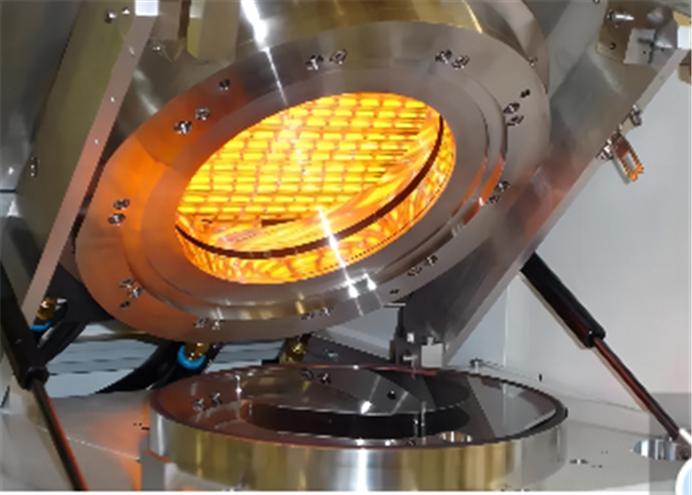
Making biosensors is a delicate dance. You need enough heat to cure the polymers and get the sensing layers active, but if you push too hard, you’ll fry the substrate. For a long time, the go-to move was using big convection ovens. But let’s be honest: heating up a giant chamber of air just to warm a tiny piece of material is a waste of power. That’s why we switched to shortwave IR lamps. Instead of fighting the air, we hit the material directly. It’s faster. Way faster. In a high-end fab, we set up these lamps to pack a lot of heat into a tiny space. Because we’re hitting specific wavelengths, your ramp-up time drops from minutes to seconds. This means the lamps aren’t running nearly as long, which slashes your kilowatt-hour usage per wafer. Just a heads-up: since the heat hits so fast, you have to keep an eye on your substrate. If it can’t handle the quick expansion, you might see some cracking. We also put a lot of thought into the hardware. We use high-purity quartz and halogen gas to keep the filaments stable. It keeps the lamps from burning out every few weeks, which means fewer hazardous parts ending up in the trash. Plus, we tune the light to match the exact chemistry of the biosensor layers. This keeps the heat where it belongs—on the product—rather than leaking into the room and forcing your HVAC system to work overtime. It’s a simple way to shrink the factory’s carbon footprint without sacrificing quality. Now, it’s not all plug-and-play. If you’re moving toward a “Green Factory” setup, you’ll need a solid PID controller to make sure you don’t overshoot your temperature. IR lamps are incredibly efficient, but they create intense, localized hotspots. If your cooling manifolds aren’t dialed in or your airflow is off, the ambient temperature will drift. That’s a nightmare for calibration. Our best advice? Swap out those old, clunky oven banks for zoned IR arrays. It’s the easiest way to save energy and get your throughput where it needs to be.