


Making High-Ceiling Infrared Heaters Actually Smart
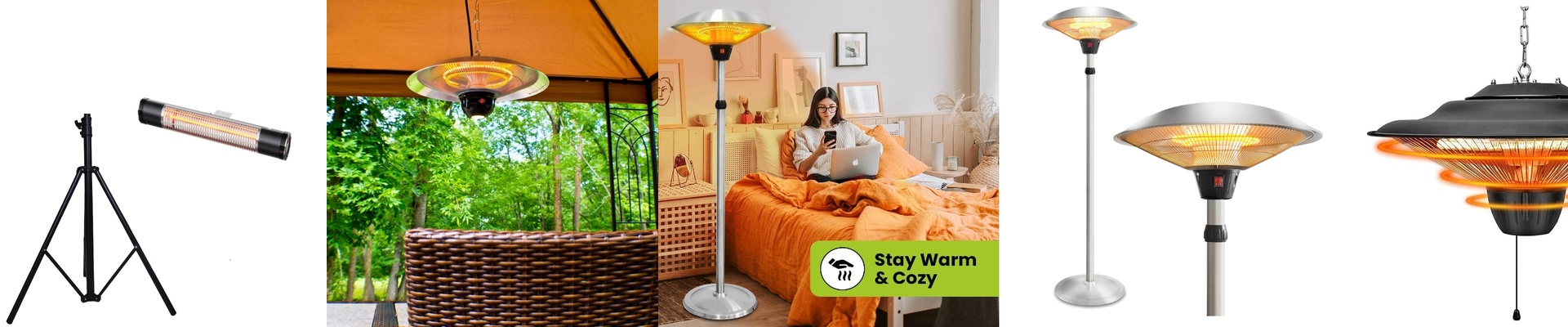
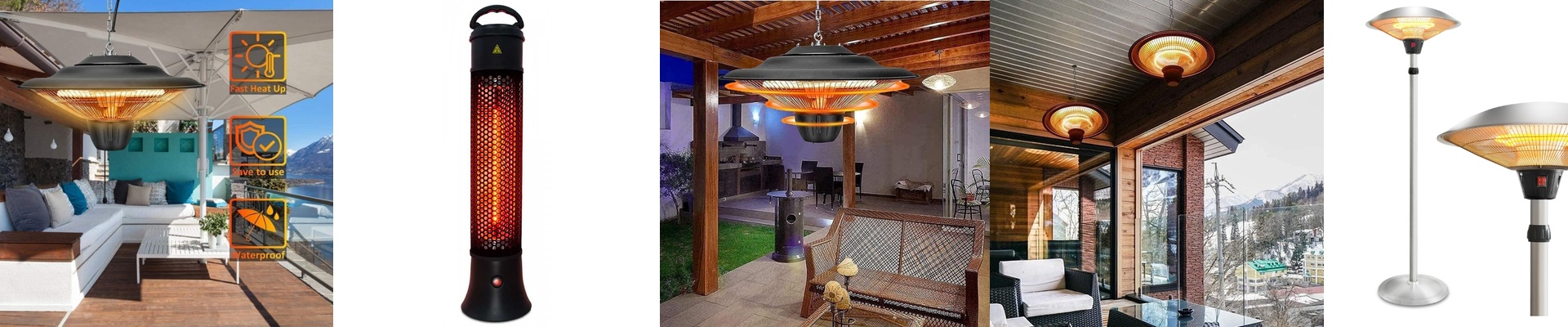
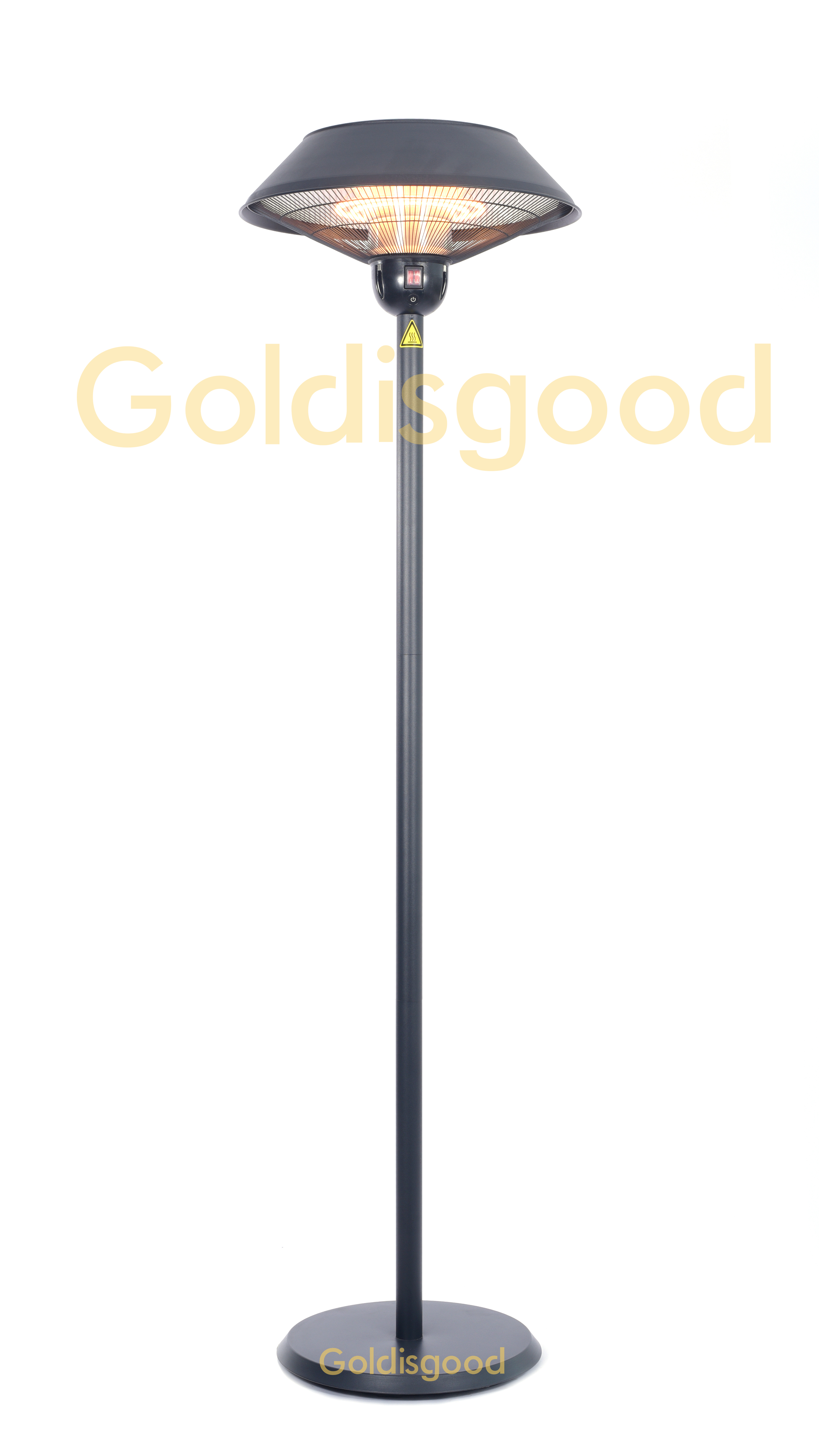
Whenever you’ve got a room with massive ceilings, trying to heat the air is basically like throwing money out the window. Traditional heaters just push warm air up, and since heat rises, it stays trapped at the ceiling while you’re shivering on the floor. That’s where infrared comes in. Instead of fighting the air, these heaters beam heat directly onto you and your furniture. It feels more like standing in a patch of sunlight on a crisp autumn day. The trick to making this “smart” Standard thermostats are kind of useless here. They usually sit on a wall at eye level, and by the time they realize the room is freezing, the heater has already overshot the mark. I prefer to bypass that entirely. By hooking these heaters into a hub using Zigbee or Matter, you can just create a “Warm-Up” scene. One tap on your phone or a quick voice command, and the system hits a high-capacity relay. No waiting around for a sensor to wake up—just instant heat. Why it actually works The best part? These things are fast. Really fast. Unlike a radiator or underfloor heating that takes forever to get going, infrared elements hit their peak temperature in seconds. If you pair them with a motion sensor, the system becomes invisible. You walk into the room, the heater kicks in. You leave, it shuts off. Simple. The “Gotchas” (Read this before installing) Now, here is the reality check. You can’t just plug these into a random wall outlet and hope for the best. These units pull a lot of power. If your wiring isn’t up to the task, you’re going to be tripping breakers all day—or worse. And you have to be careful with where you bolt them to the ceiling. Since the heat travels in a beam, if you place them poorly, you’ll end up with “cold spots.” You might be cozy in one chair but freezing two feet to the left. Your smart home setup can handle the timing and the triggers, but it can’t fix a bad installation. Get the placement right first, and the rest is a breeze.