


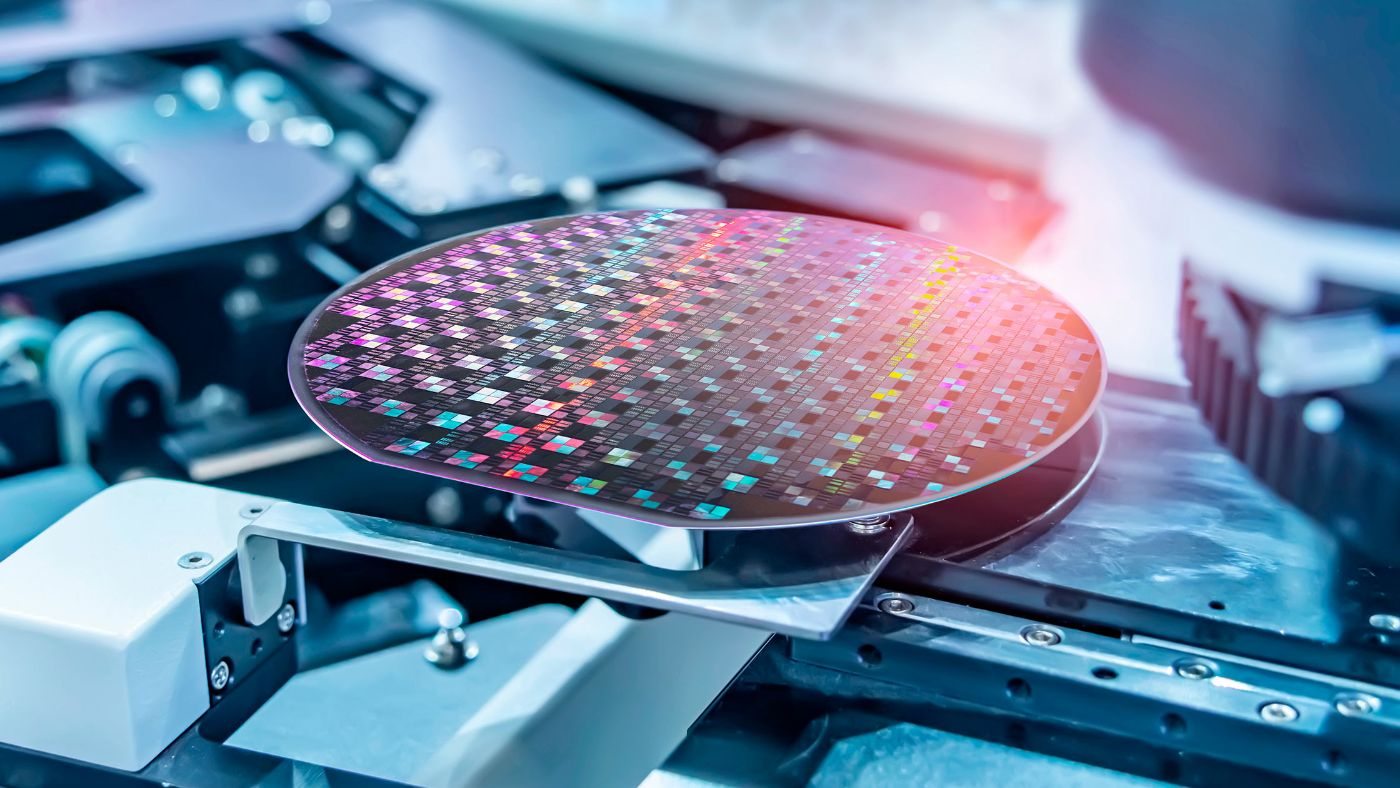
On the fab floor, lithography moves at its own pace—you don’t get to hit pause when the line is running. If the IR temperature drifts during photoresist soft bake or hard bake, you’re suddenly chasing critical dimension shifts, and yield takes a hit. What you need is heat that holds steady, stays uniform across the wafer, and repeats the same thermal profile every time the carrier hits the station. What matters, technically We run wafer IR heaters that put precision heat right where the photoresist thermal budget needs it, using a short-wave infrared source matched to the process window. Across the wafer, you’re looking at temperature uniformity within ±0.1°C, and setpoint repeatability within ±0.2°C, so every lot sees the same bake. The quartz-based emitter design keeps particle generation at zero and stays compatible with cleanroom Class 1–100. Closed-loop control, tied to a Class A sensor, keeps overshoot under 0.5°C—protecting delicate stacks while still settling fast. Why it holds up in production In 7×24 operation, the unit stays up without unplanned downtime, and we’ve seen a zero-fault rate across continuous shifts. Field data show 5,000+ hours with less than 5% output drop, and thermal drift stays under 0.1°C/1000 hours. That translates to tighter CD control, fewer scrap wafers, and maintenance windows you can actually plan around. The fast ramp cuts bake time without giving up profile control, so throughput improves while energy stays in a tight envelope. Here are the practical details Installation needs a dedicated, regulated power feed and proper EMI shielding so the control loop stays clean. The heater drops into standard OEM stations, but the thermal interface has to be matched—mismatched mounting will show up as micro-nonuniformity. Plan a short commissioning run to lock your recipe parameters in; once you do, the process stays locked, shift after shift.